


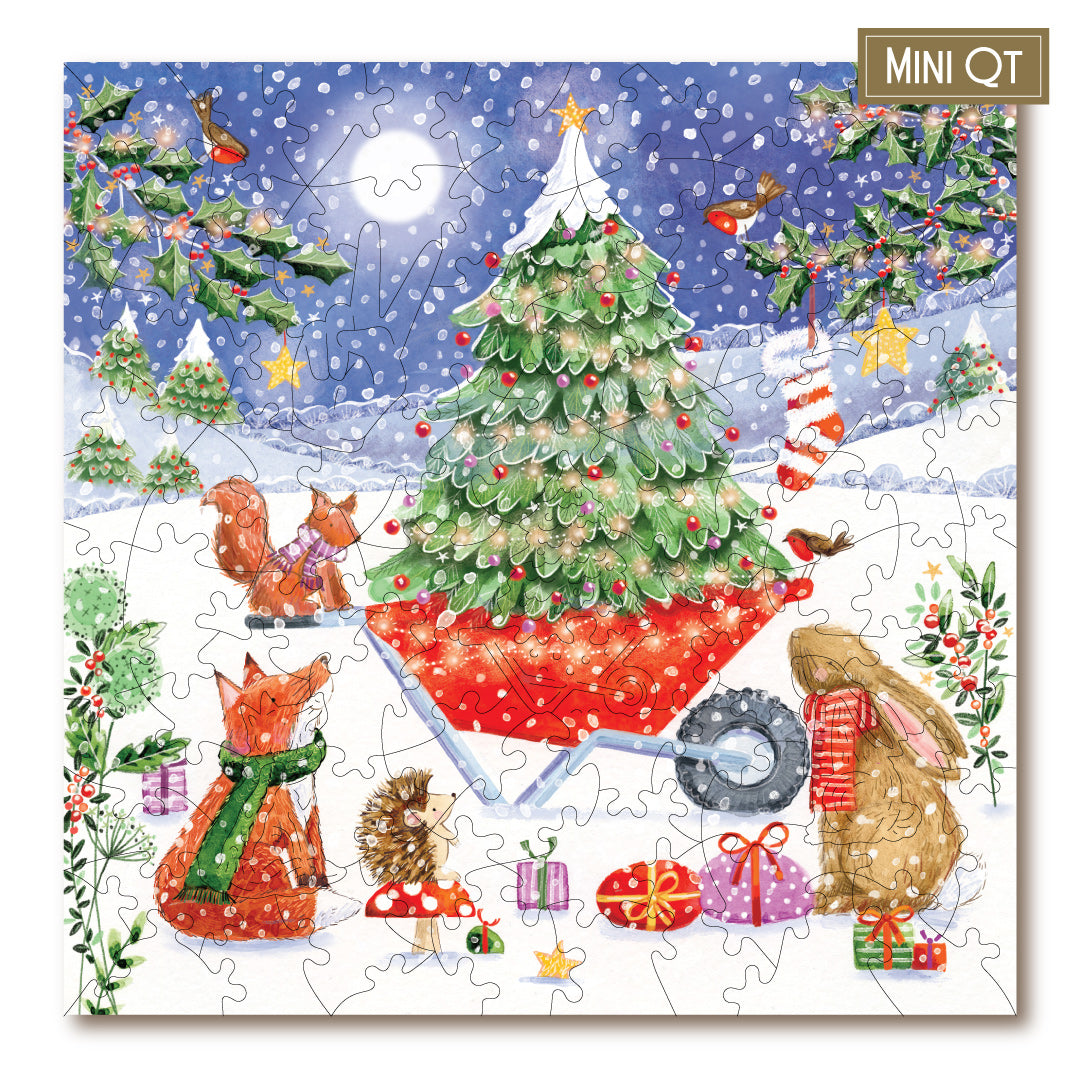

As jigsaw puzzles experience a modern boom, there is more to the phenomenon than the simple pleasure of a "eureka" moment. Puzzles are fulfilling a profound need; the more the world puzzles us, the more we long for the clarity of a solution.
At a moment when our attention feels constantly under siege, puzzles act as circuit breakers, allowing for true peace of mind. While social media scatters our attention and heightens anxiety, puzzles offer an escape from the "skittish" experience of jumping from one digital rabbit hole to the next. Instead of Instagram-induced FOMO or doomscrolling the news, we focus on a single, tangible problem.
The rise of puzzling may mirror the rise of recreational sport in the 19th century. As physical labor declined, people began exercising intentionally to stay in shape. Today, as social media and the news overloads our senses, puzzles have become the "mental gym" that keeps our brains sharp. Research suggests that working a puzzle stimulates neuroplasticity - helping the brain form new connections while enhancing memory, focus, and creative thinking.
But the appeal isn't just clinical; it’s utopian. A jigsaw puzzle offers a small, contained universe that contrasts sharply with the anarchy and ambiguity of real life. Unlike the "loose ends" of our careers or relationships, a puzzle offers something increasingly rare: closure.
There is a deep, quiet satisfaction in placing that last wooden puzzle piece into place. It reminds us that we live in a well-arranged world where rules are clear, problems are solvable, and effort is rewarded. For a few hours, we inhabit a fair, orderly space where we can reassure ourselves that our brains can still recognize patterns and engage with the beauty of art.
In our digital lives, nothing ever truly ends; an Instagram feed goes on forever, but a jigsaw has a final piece....

This journal entry was adapted from a Guardian article by Joseph de Weck.
Read more journal entries here